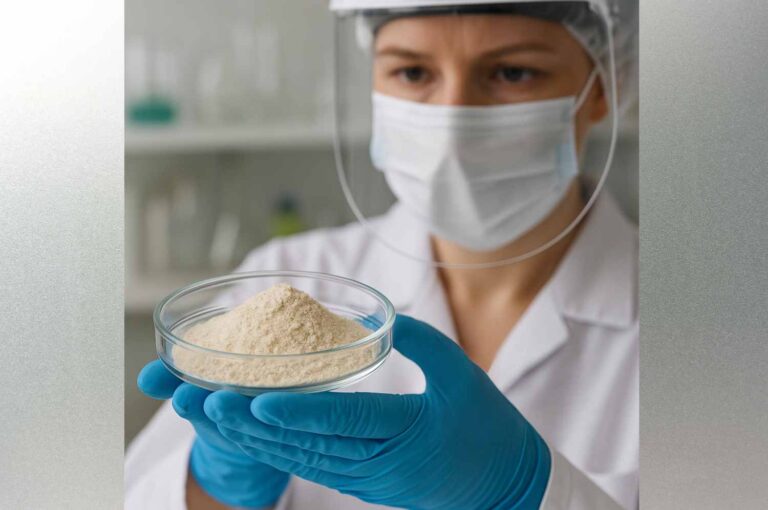
Pectin for beverage industry South Africa requires precise formulation, quality sourcing, and thoughtful processing to achieve consistent texture and stability. As consumer demand for clean-label, plant-based drinks continues to grow, manufacturers must understand how to leverage pectin’s unique properties to deliver exceptional mouthfeel, clarity, and shelf life. In this guide, we unpack the most effective strategies for selecting, testing, and integrating pectin into a broad range of beverage applications—ensuring both product excellence and supply chain resilience.
Understanding Viscosity and Mouthfeel with Pectin for Beverage Industry South Africa
When manufacturers contemplate pectin for beverage industry South Africa, they often focus first on texture. The way a beverage feels in the mouth can determine repeat purchase, and pectin’s role as a hydrocolloid means it must be carefully dosed and dispersed. Temperature, shear rate, and total solids all interact to influence viscosity. In practice, formulators conduct bench-top trials, adjusting pH and sugar levels to achieve the desired gel network without unwanted stringiness. By monitoring rheological profiles with instrumentation, teams can fine-tune concentrations to hit target viscosity metrics, guaranteeing a consistent sensory experience in fruit juices, smoothies, and drinkable yogurts.
Rather than assuming a one-size-fits-all approach, successful beverage producers in South Africa collaborate closely with ingredient suppliers to access technical data sheets and trial samples. This partnership grants access to pectin grades specially engineered for hot-fill or cold-set processes. At Pectin SA, we offer a range of citrus-derived pectins, each characterized by precise degree of esterification and molecular weight. You can learn more about our product specifications and request samples via our product catalog.
Selecting the Best Pectin Grade for Beverage Industry Success
Choosing the optimal pectin grade hinges on understanding how it interacts with other ingredients. Low-methoxyl pectin, which sets in the presence of calcium ions, excels in reduced-sugar and sugar-free beverages. Conversely, high-methoxyl pectin requires sufficient soluble solids—like sugar—to form a gel. South African manufacturers pioneering healthier, low-sugar juices benefit from low-methoxyl variants, enabling clear, “no added sugar” claims while maintaining mouthfeel. It is essential to validate calcium levels and ionic strength early in development, as fluctuations can lead to inconsistent gel formation or syneresis over time.
Equally important is the clarity of the final drink. In clear beverages, suspensions must remain free of haze. Here, ultra-high-purity pectin grades with minimal protein and metal content prove invaluable. Pectin SA’s refined grades undergo rigorous filtration and ion-exchange steps, resulting in crystalline powder that dissolves readily and yields transparent gels. Working with dedicated technical support teams, formulators can optimize hydration sequences—often using prehydration with warm water and stepwise acidification—to prevent clumping and ensure complete dispersion.
Sustainable Sourcing and Circular Practices in Pectin for Beverage Industry South Africa
Beyond formulation, the origin of pectin is gaining prominence among procurement managers. Pectin SA stands out as a sustainable ingredient supplier by upcycling citrus peel that would otherwise become waste. This circular process intercepts peel at juicing facilities and transports it to our biorefinery, where we extract pectin, citrus fiber, and essential oils. Renewable energy powers our steam boilers, and water recovery systems reclaim most process water, minimizing environmental impact. Our traceability platform links every batch back to the orchard, offering full transparency for compliance and marketing narratives.
Partnering with local growers not only reduces transport emissions but also strengthens rural economies. By offering fair-price agreements and technical agronomy support, Pectin SA fosters regenerative orchard practices that boost soil health and biodiversity. These collaborations help ensure a consistent feedstock supply, vital for beverage manufacturers who depend on uninterrupted pectin availability. If you’d like to explore our sustainability initiatives or arrange a site visit, learn more about our circular economy model.
Streamlining Production: Process Tips for Beverage Formulators
Integrating pectin into large-scale beverage lines demands attention to batching, mixing, and thermal profiles. When handling pectin for beverage industry South Africa, formulators should introduce pectin into warm water under high shear before adding other ingredients. This pre-hydration step prevents the formation of lumps that can clog pipes and tanks. Once fully dispersed, the mix can be cooled and combined with juice concentrates or flavorings, ensuring homogeneity.
Thermal stability is another critical factor. Hot-fill beverage processes require pectin grades that withstand elevated temperatures without losing gel strength. Conversely, cold-fill systems depend on rapid hydration at ambient temperatures. Your choice of grade should align with the processing workflow—whether in aseptic fillers or continuous cooking systems. By collaborating with supplier technical teams and conducting pilot-scale trials, you can refine parameters for scale-up and avoid production hiccups that disrupt lead times.
Navigating Regulatory and Labeling Considerations
In South Africa’s regulatory environment, claims and labeling are governed by stringent food safety agencies and consumer protection laws. When declaring pectin on ingredient lists, formulators must adhere to local nomenclature—typically “pectin (E440)”—while avoiding non-approved derivations. For clean-label appeal, highlighting “citrus pectin” or “natural gelling agent” can resonate with health-conscious consumers.
Furthermore, allergen management protocols require that production lines maintain strict segregation to prevent cross-contact with gluten or dairy proteins.
Procurement teams should verify that pectin suppliers maintain relevant certifications, such as HACCP, ISO 22000, and Kosher or Halal accreditation if required. These credentials streamline supplier qualification and speed up audits. In addition to safety, maintaining proper documentation for each pectin lot—complete with certificate of analysis—enables traceability and faster resolution of any quality inquiries.
Future Trends: Innovation in Beverage Pectin Applications
As the beverage landscape evolves, new pectin applications are emerging. Innovative formulations like pulsed electric field extraction and enzyme-enhanced pectin release promise higher yields with reduced processing times. These breakthroughs could lower production costs and improve functional performance. Meanwhile, co-formulation with other hydrocolloids, such as alginates or carrageenan, offers novel texture profiles, from cloud stabilization in juices to creamy mouthfeel in plant-based milks.
South African innovators are also exploring microencapsulation of flavors and nutrients using pectin matrices, extending shelf life and controlled release. By participating in scientific partnerships and pilot studies, manufacturers can stay ahead of market shifts. Pectin SA regularly publishes technical bulletins and hosts webinars to share insights into these cutting-edge developments. Interested teams can subscribe to our newsletter to receive the latest industry research.
Conclusion
Mastering pectin for beverage industry South Africa requires a holistic approach, blending formulation expertise, sustainable sourcing, and process optimization. By selecting the right pectin grade, refining hydration and thermal protocols, and partnering with a circular economy leader like Pectin SA, beverage producers can achieve both quality and environmental goals. To explore how our specialized pectins can elevate your next beverage launch, contact our technical team today. Discover the advantages of working with a dedicated South African pectic specialist—your partner in crafting exceptional, sustainable drinks with confidence.
Contact us to have a conversation about how our manufacturing standard benefit you and your brand.